Whiteboard to CAD
The fin-tab mechanism starts as a sketch of the root profile and a side view, becomes a CAD cross-section with the actuator and linkage inside the fin, then a model we can run through its full deflection.
Student Researched and Developed
Small movable tabs on every fin steer the rocket in flight — researched, designed and built by students. Our first test vehicle, Moonfall, was the University of Florida’s first fin-tab controlled rocket.
Follow the timelineThe fin-tab mechanism starts as a sketch of the root profile and a side view, becomes a CAD cross-section with the actuator and linkage inside the fin, then a model we can run through its full deflection.
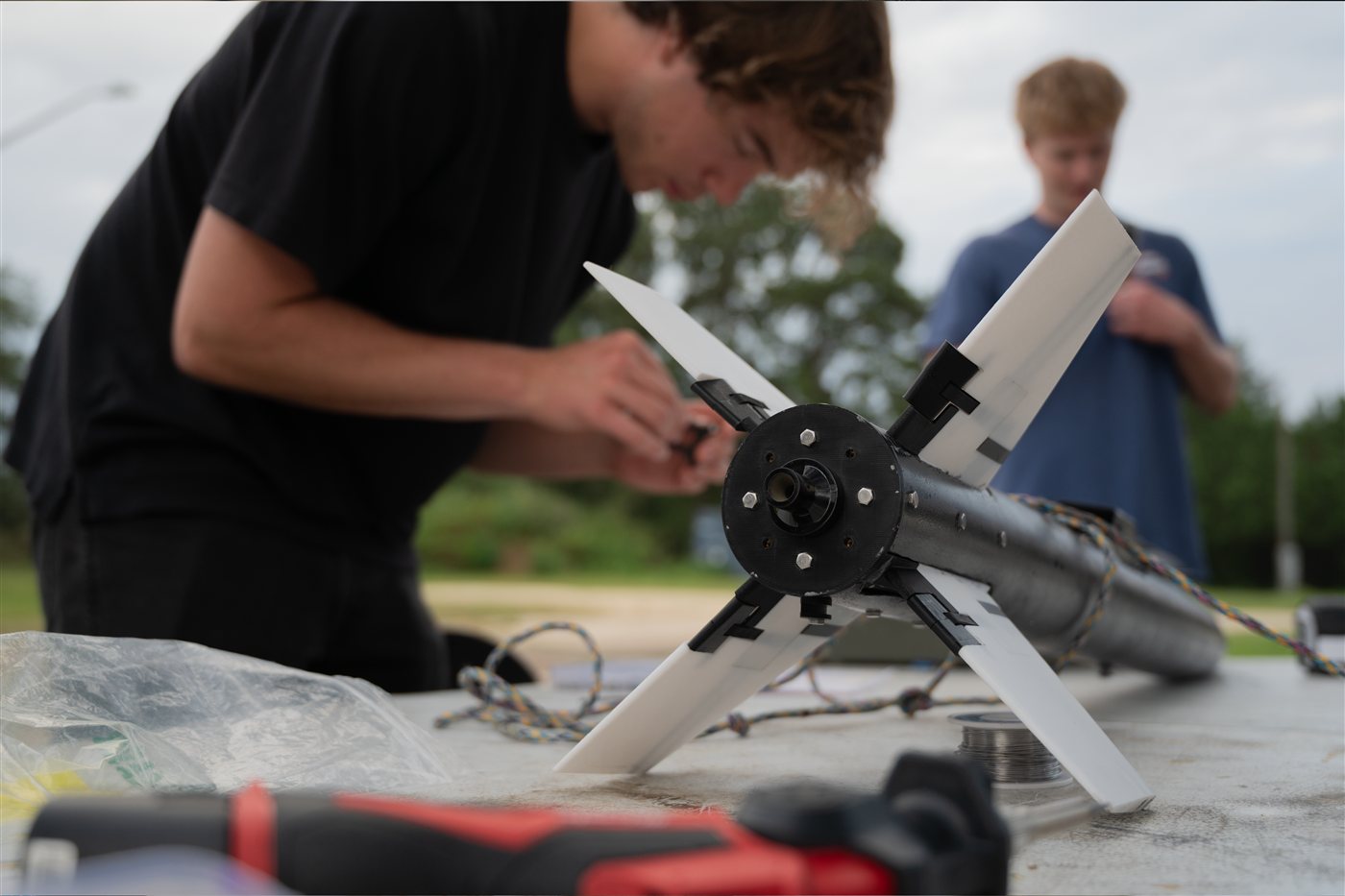
Each fin carries a small movable tab on a hinge. The main fin stays rigid while the tab pivots. This close-up shows the aft hub where the tab mechanisms mount.
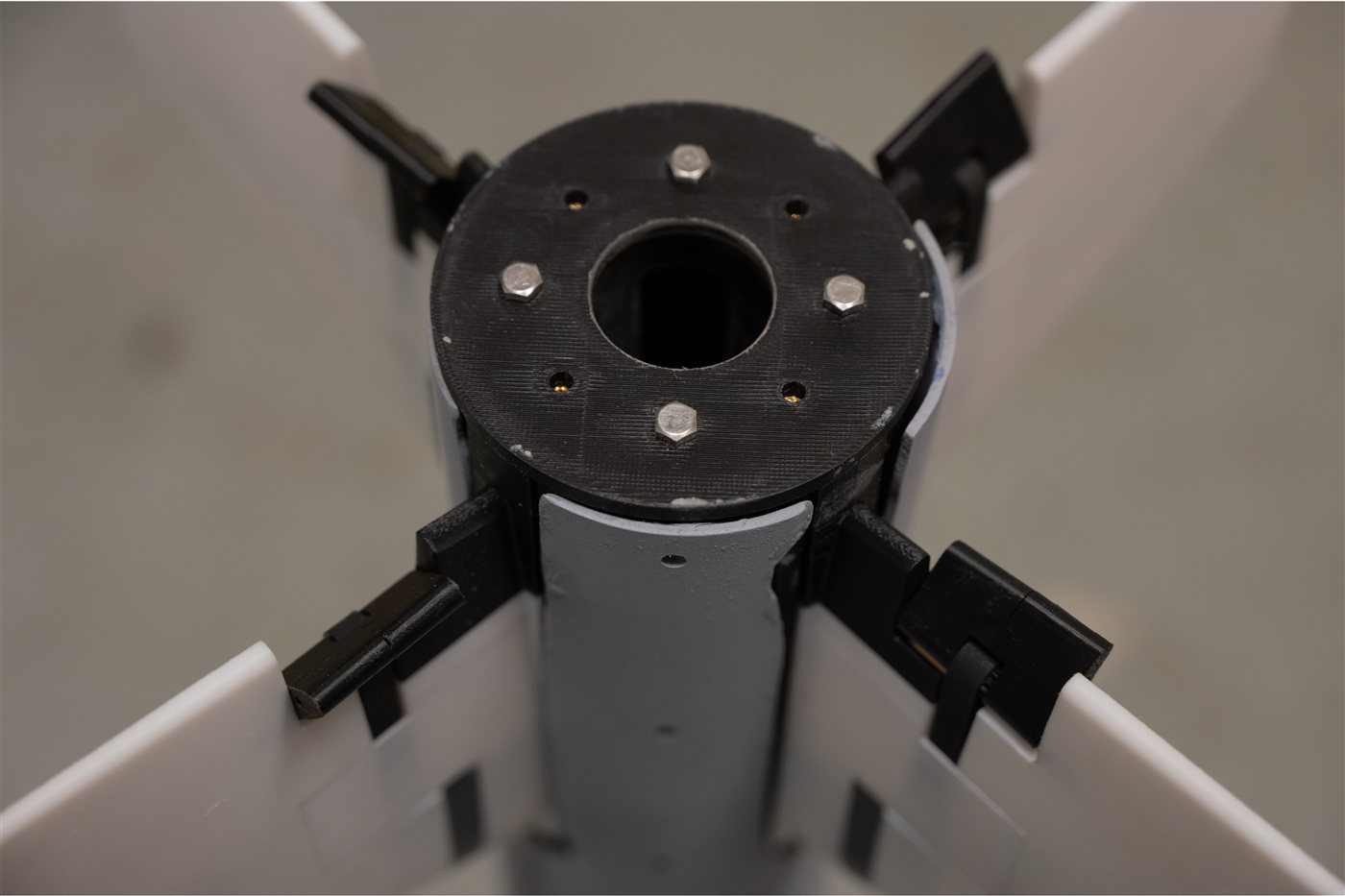
The tab is cycled by itself on the bench first, then again built into the aft end of the airframe.
Tabs pivot to either side of their fin. That is all it takes to create a controlled rolling moment:
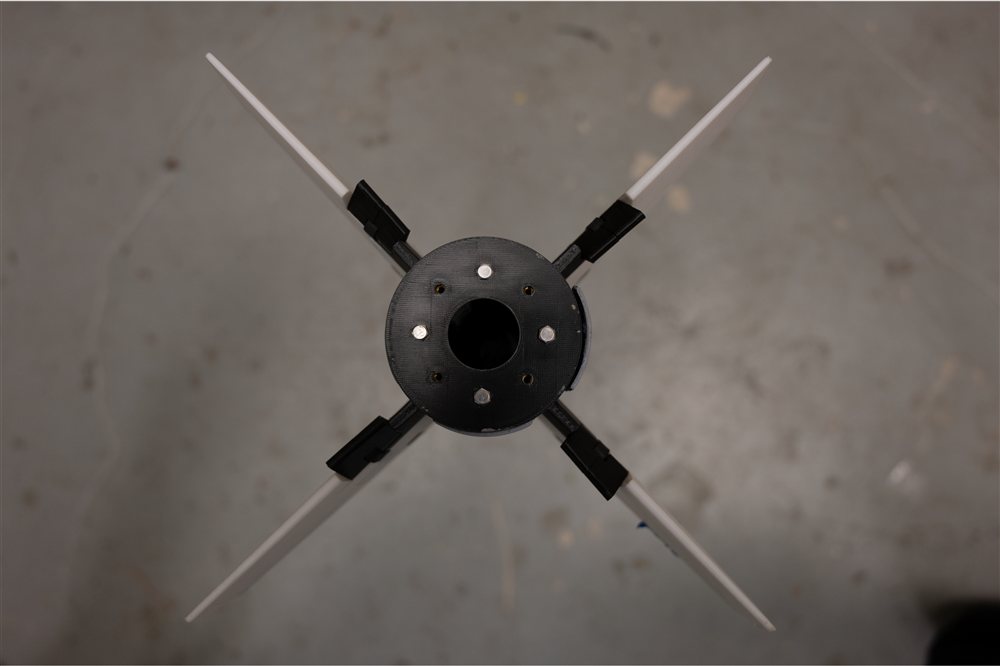
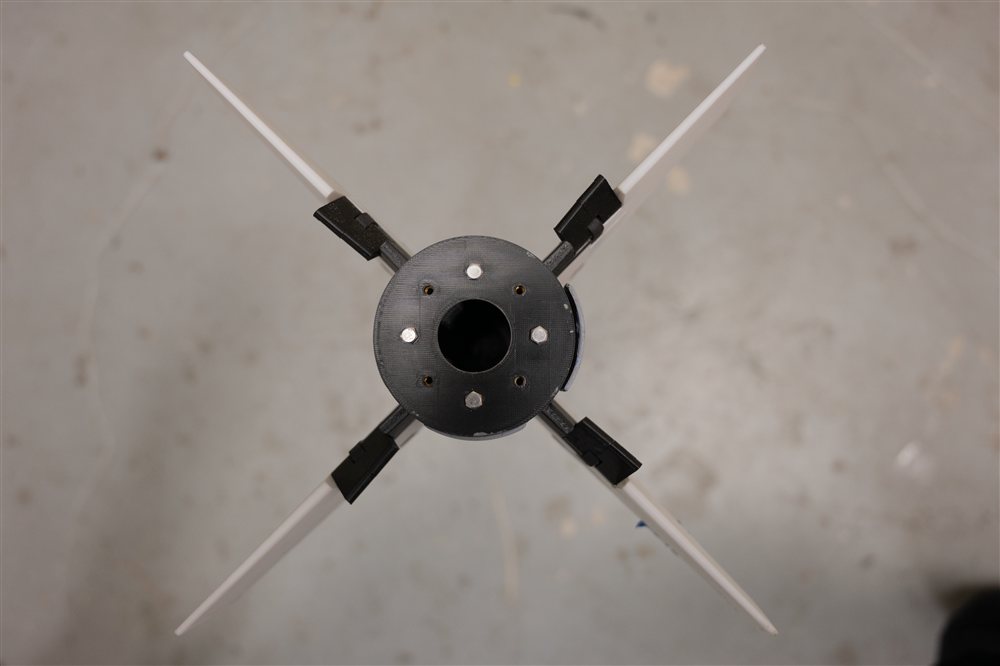
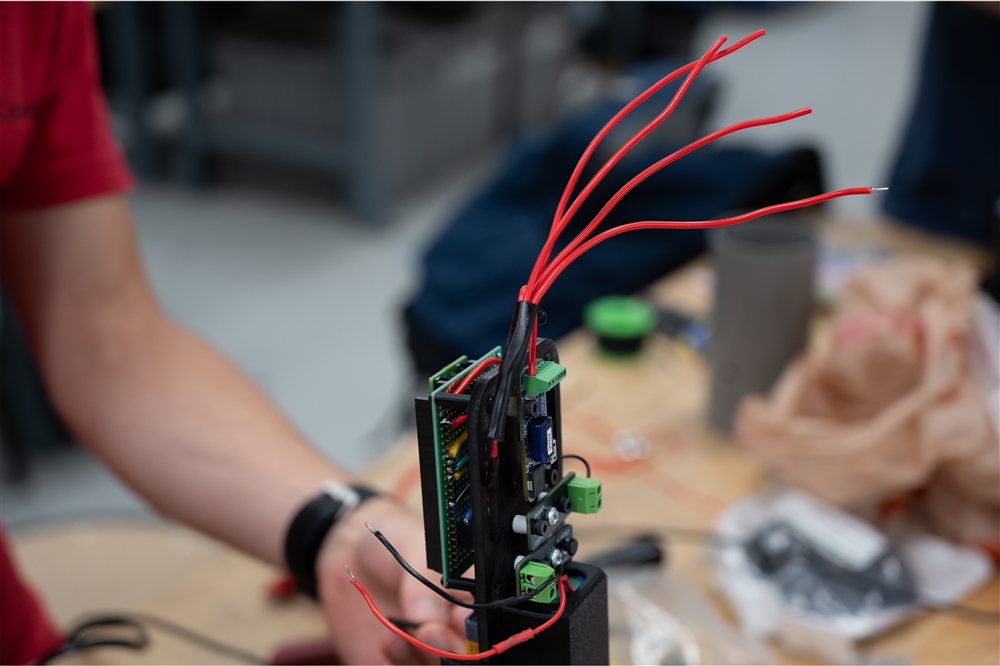
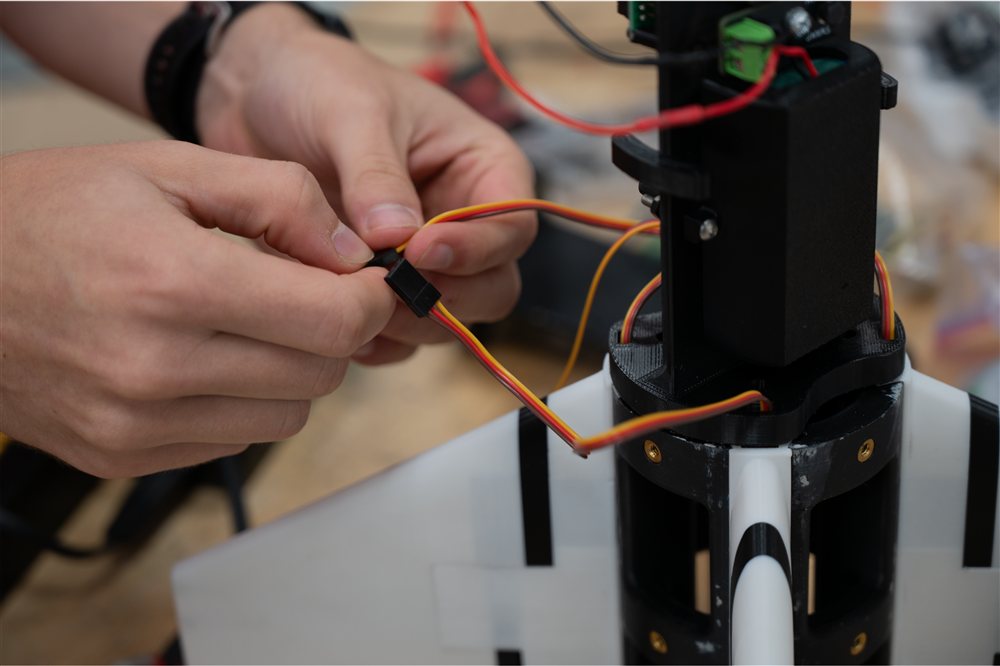
Every tab actuator is wired back to the flight electronics, so the control software can command each one.
 Subsonic test vehicle for IREC
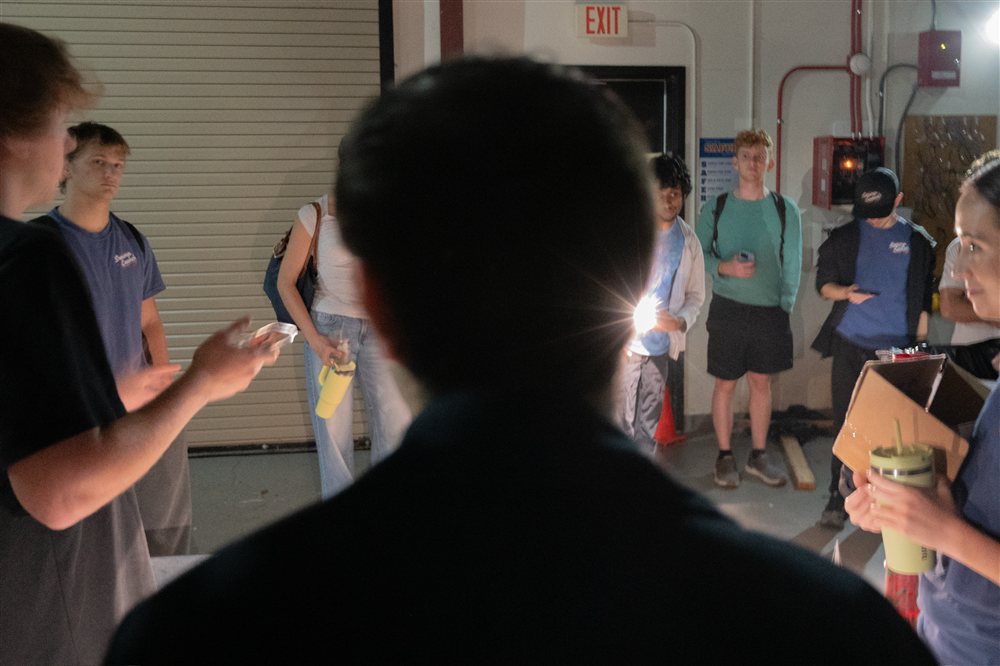
A pre-launch briefing.
Moonfall’s tabs are installed and checked at the table before the trip to the pad.
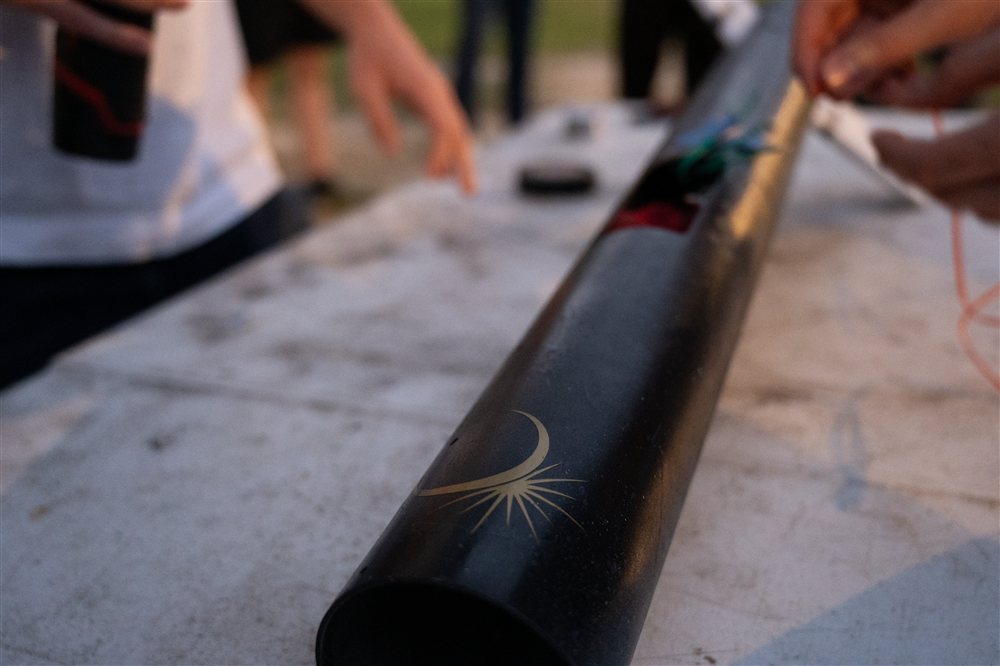
Moonfall flew, deployed its parachute and came down in the field.
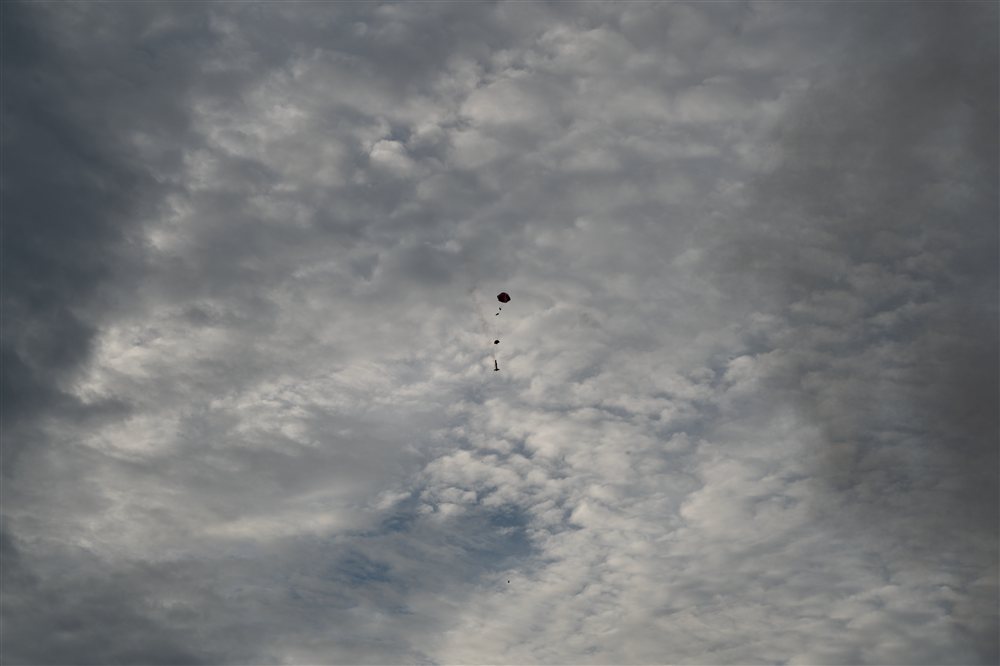

The airframe and its fin-tab hub came back with the team.
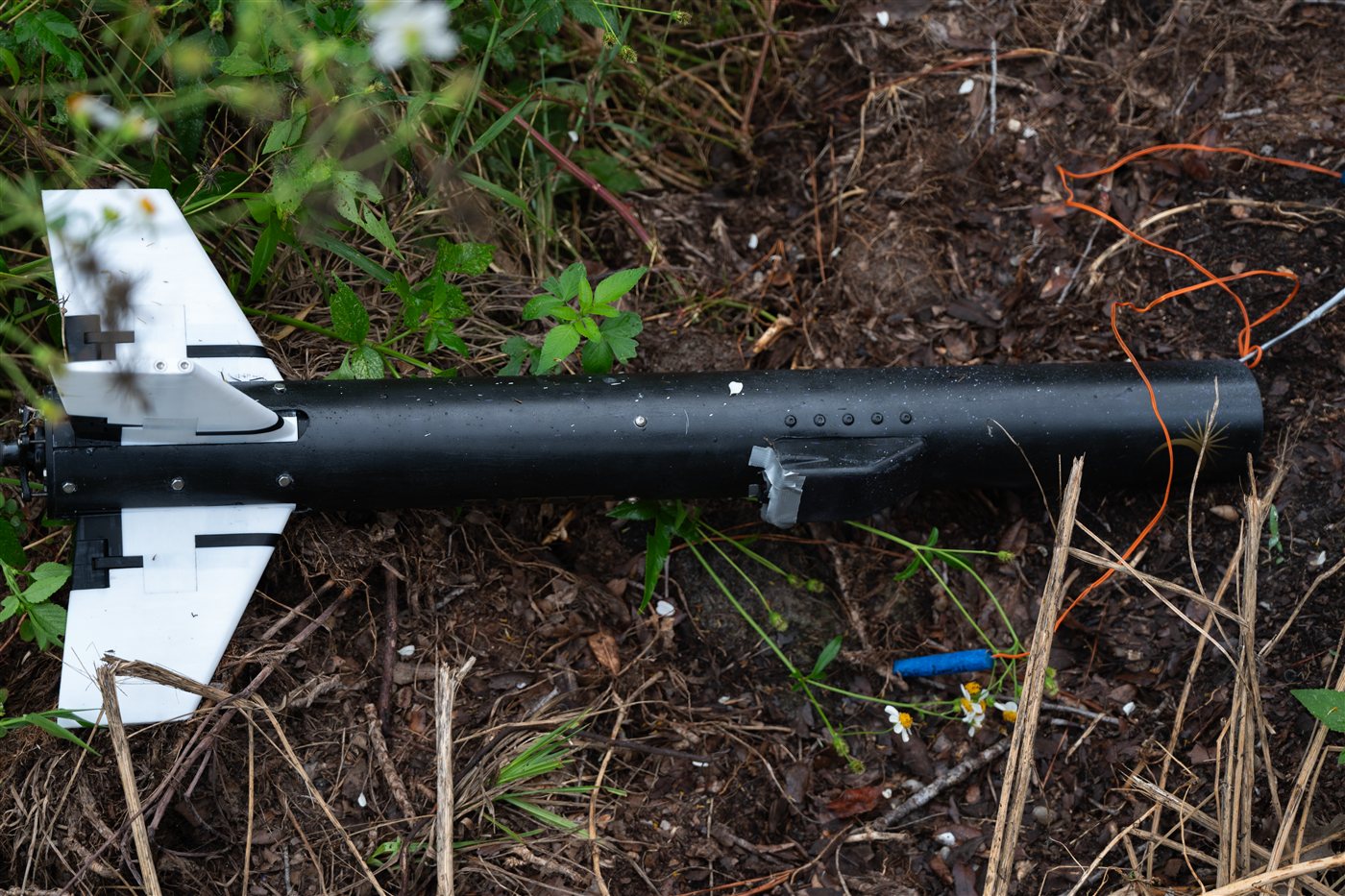
Flight data indicated successful implied roll on Moonfall — the first step toward full active control. Watch the Block I reel.
Active pitch and roll control, complete.