

















Payload Mechanical
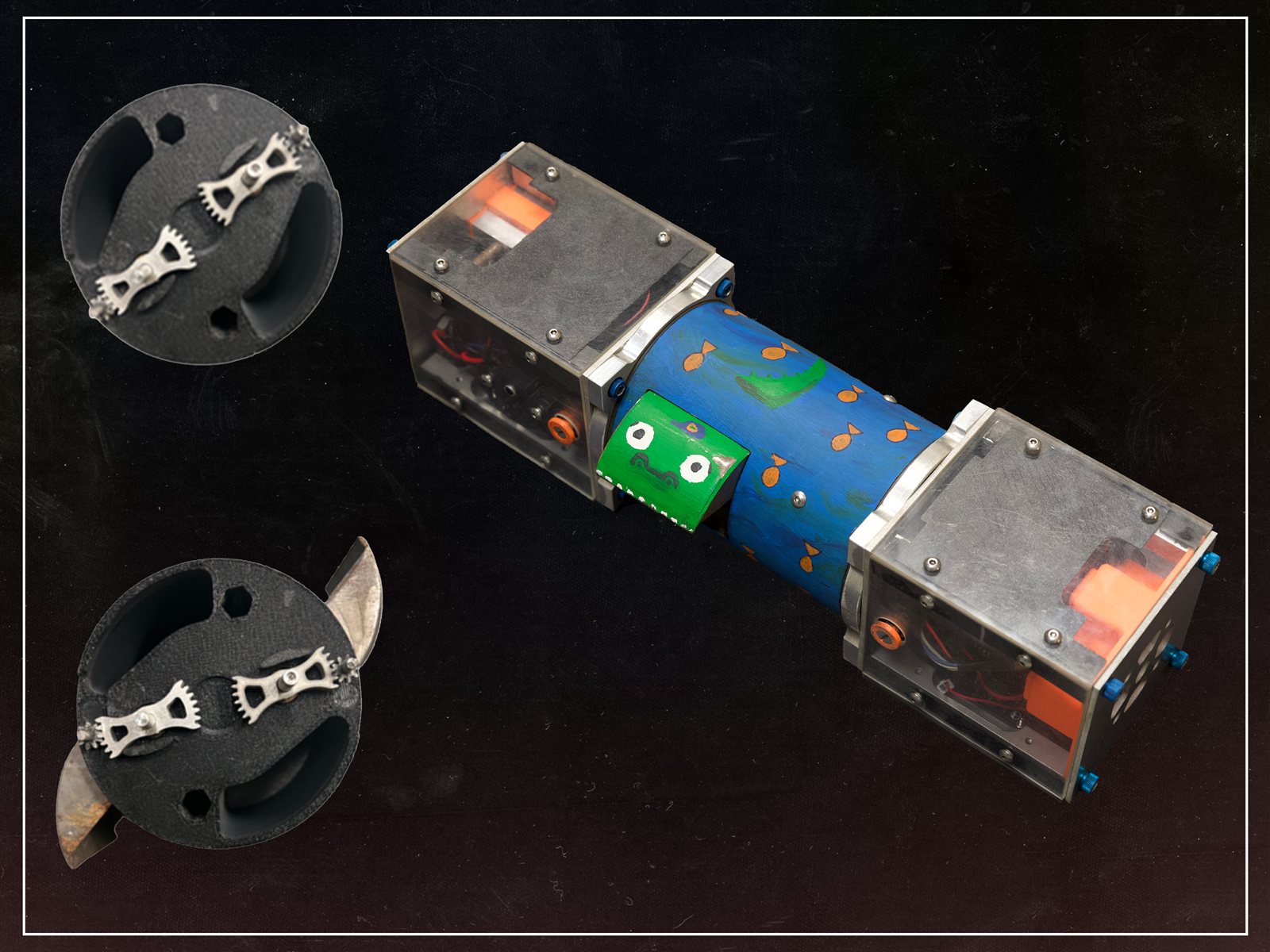
Designs and builds the physical structure of the payload: sensor mounting, component organisation, vibration protection and any mechanical deployment systems.
Payload Electronics
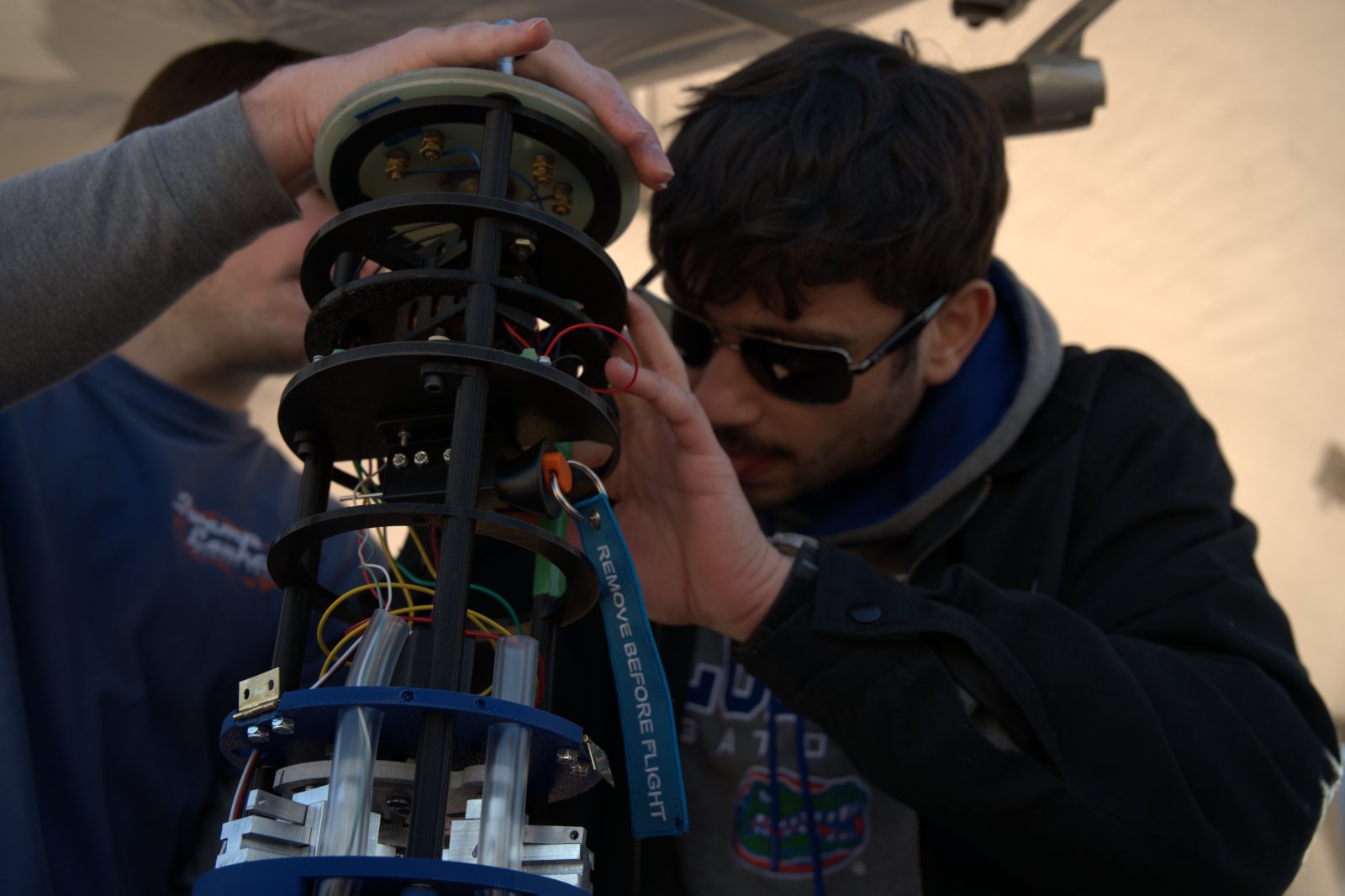
Designs and integrates the electronics that power, control and collect data from the payload — sensor selection, PCB design, microcontrollers, power distribution and data storage.
Payload Software
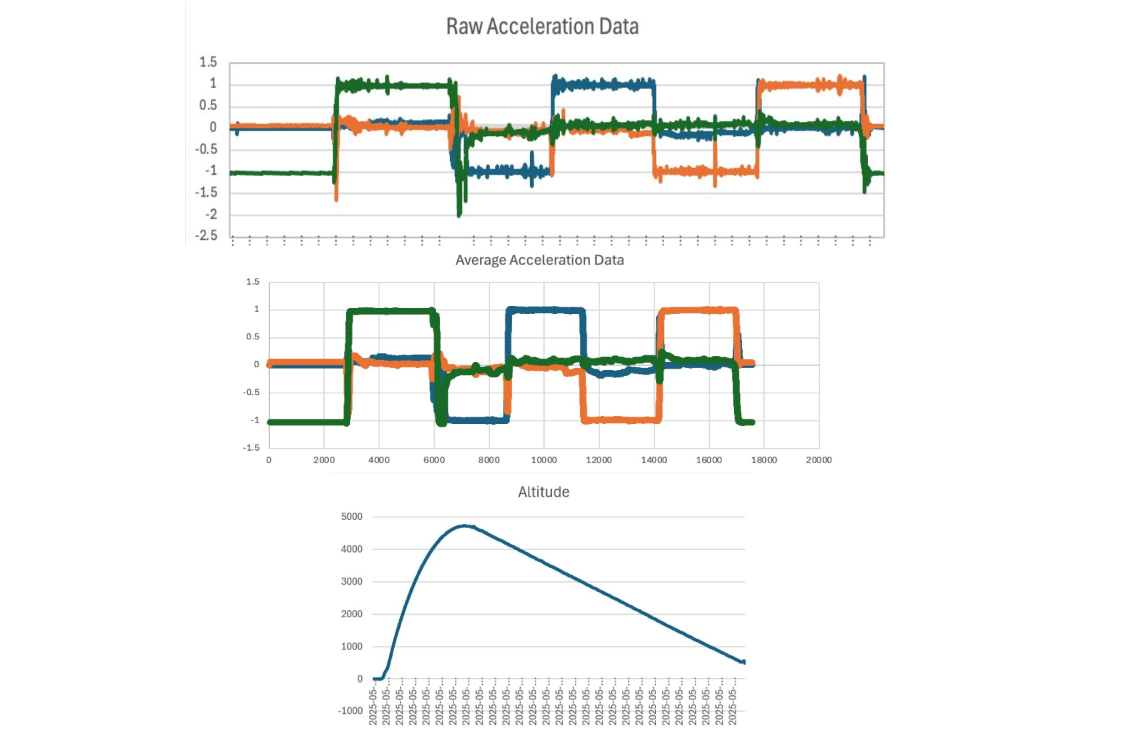
Develops the software used to operate payload systems including sensors, collecting and storing measurements, and processing the resulting data.
Recovery
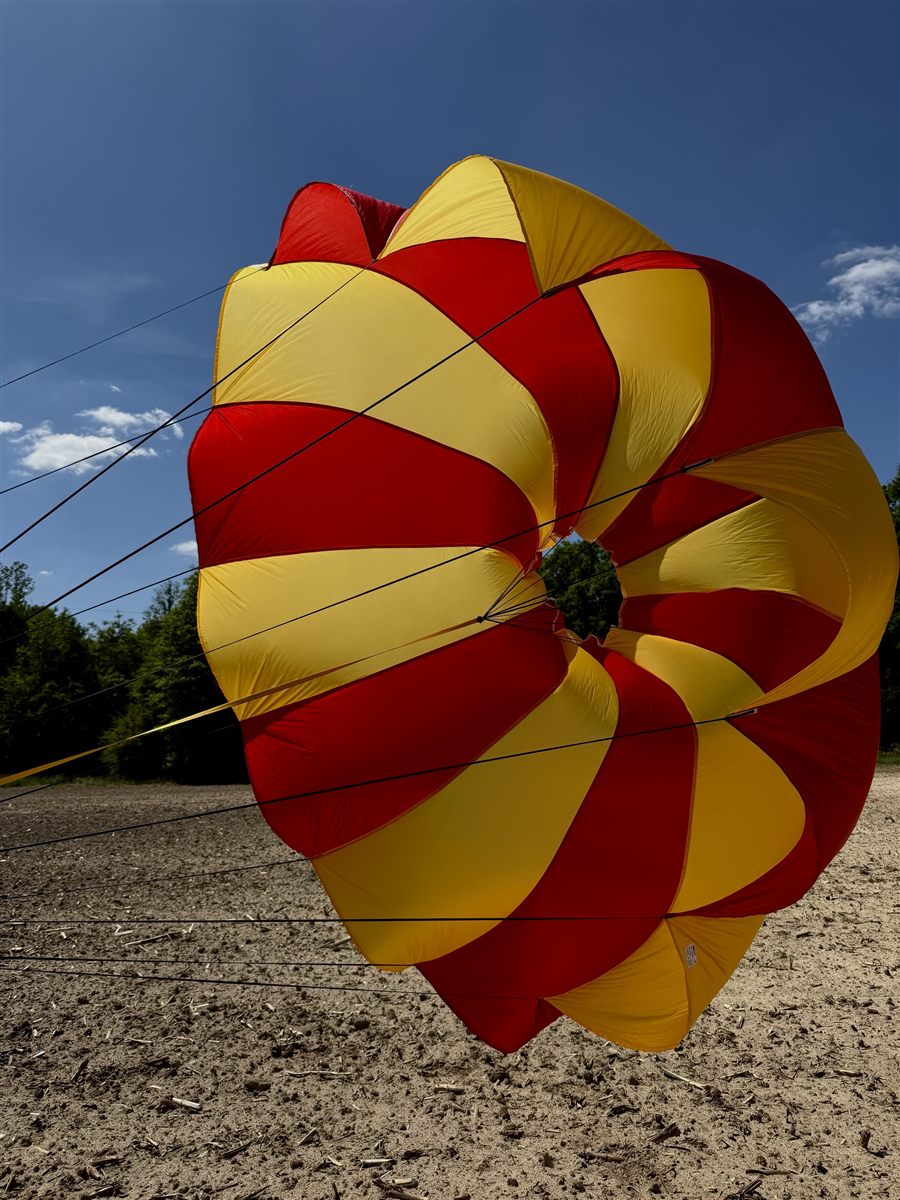
Designs and validates a robust recovery system for both stages of the vehicle, including parachutes, deployment and mechanical retention systems, separation hardware, and recovery-related avionics interfaces. The team focuses on sizing and modeling recovery systems, validating methodologies through ground and flight testing, and ensuring the rocket returns safely to ground.
Avionics
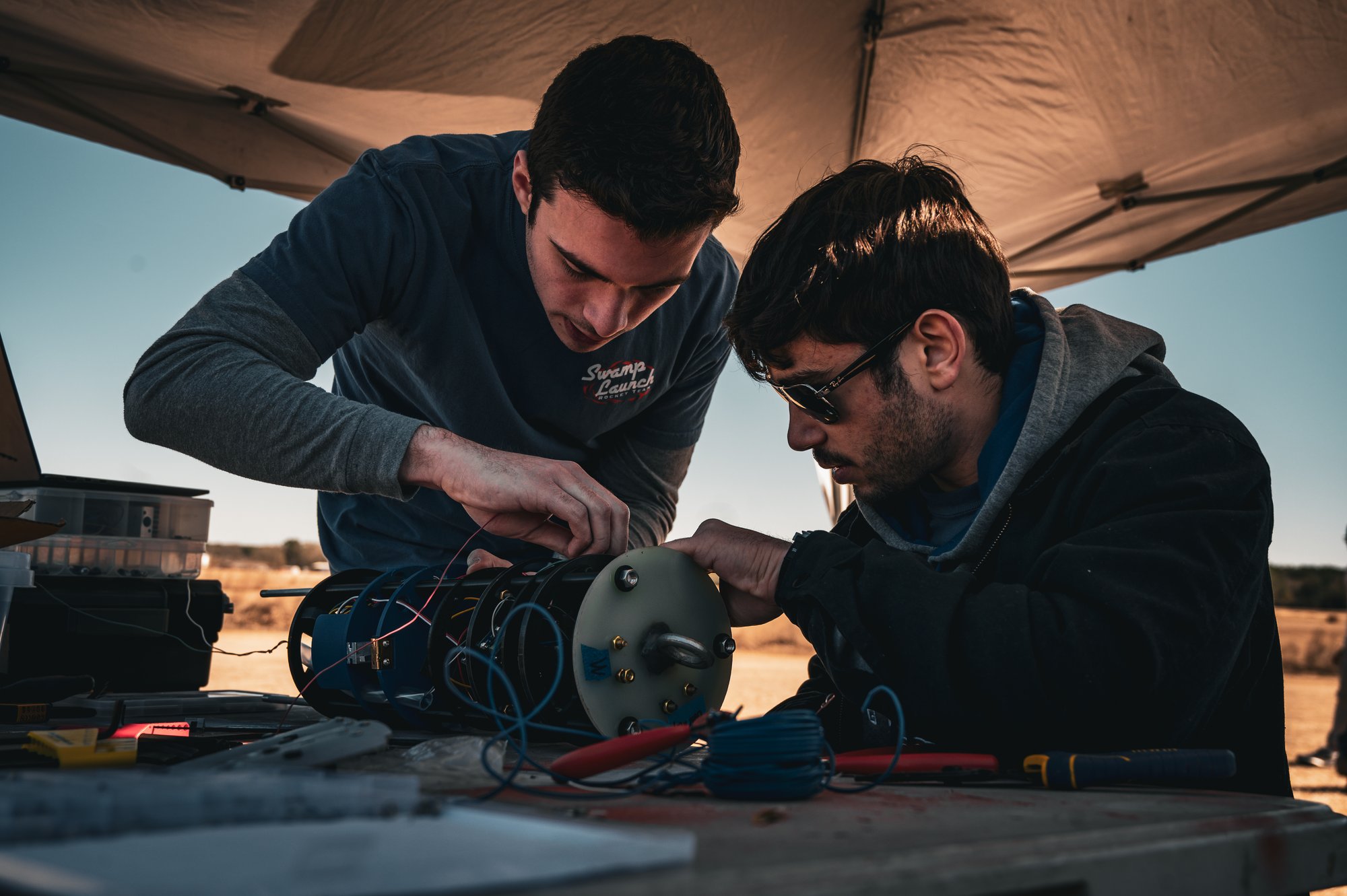
Designs and integrates the vehicle's avionics systems, including custom flight computer PCBs, recovery and staging electronics, GPS, barometric and IMU sensors, and telemetry hardware. The team focuses on reliable system integration in constrained bays, flight data acquisition, and ground station development.
Composites
Designs and fabricates the vehicle's composite structures, including the nosecone, airframes, and interstage components. The role focuses on optimizing material properties for flight performance and consistent process control during manufacturing.
Structures
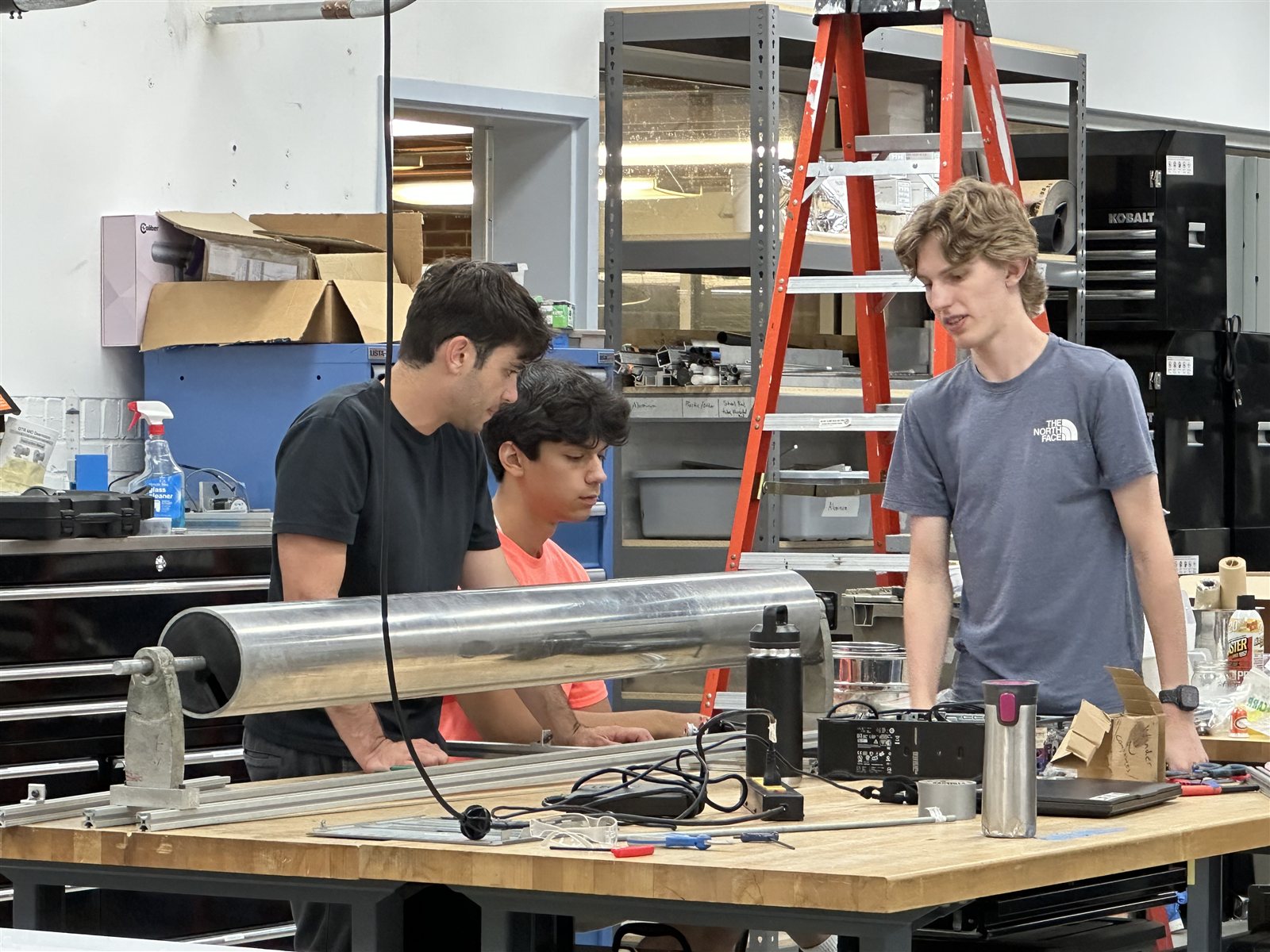
Analyzes and manufactures the vehicle's primary structural components, including modular motor-retention systems, bulkheads, and other structural interfaces. The role focuses on ensuring structural integrity through hand calculations and finite element analysis methods, sizing components and fasteners, and developing reliable structures that withstand various loads experienced throughout flight.
Controls Software
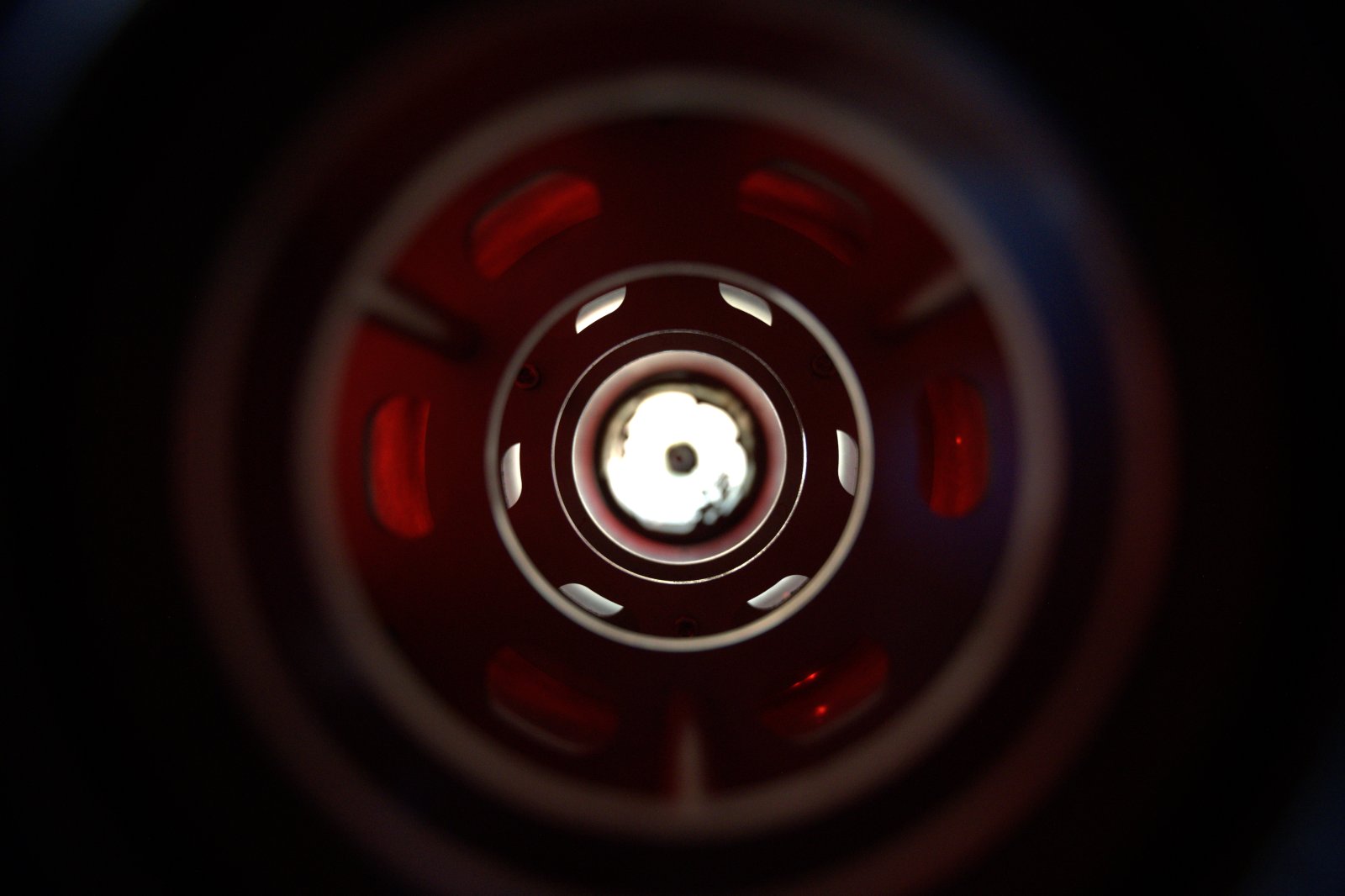
Develops the algorithms that determine how the rocket responds to sensor data and commands the control system, including control loops for roll and pitch control and integrating them with sensors and actuators.
Flight Dynamics
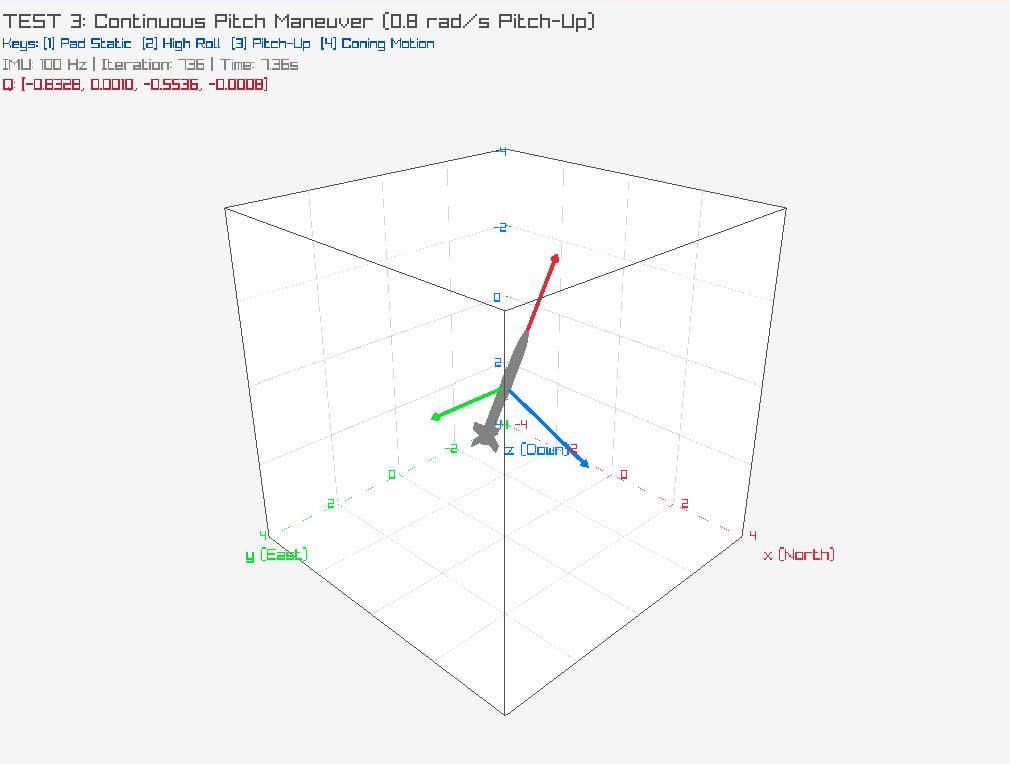
Models and analyzes the vehicle's flight performance, stability, and trajectory using rocket simulation software and MATLAB. The team focuses on maintaining accurate simulations, tracking performance against mission targets throughout development, and accounting for aerodynamic and supersonic effects across the vehicle design process using computational fluid dynamics (CFD) programs.
Controls Mechanical
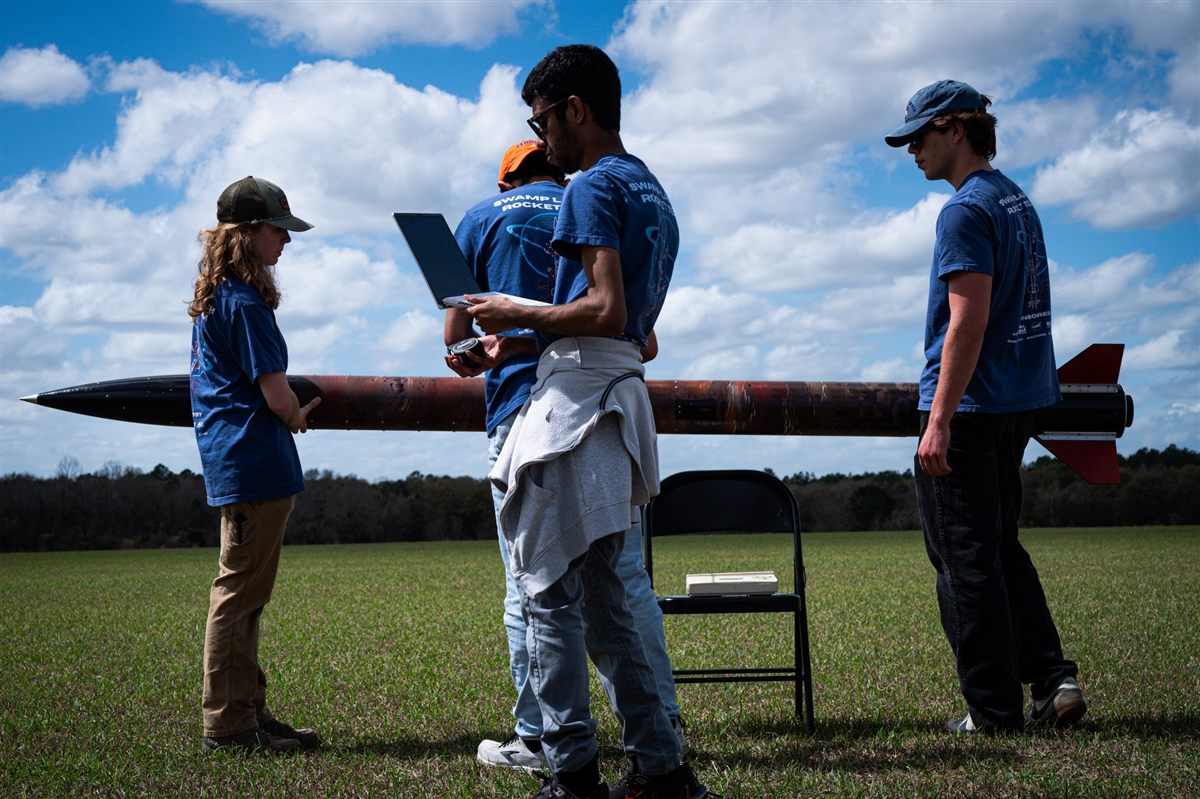
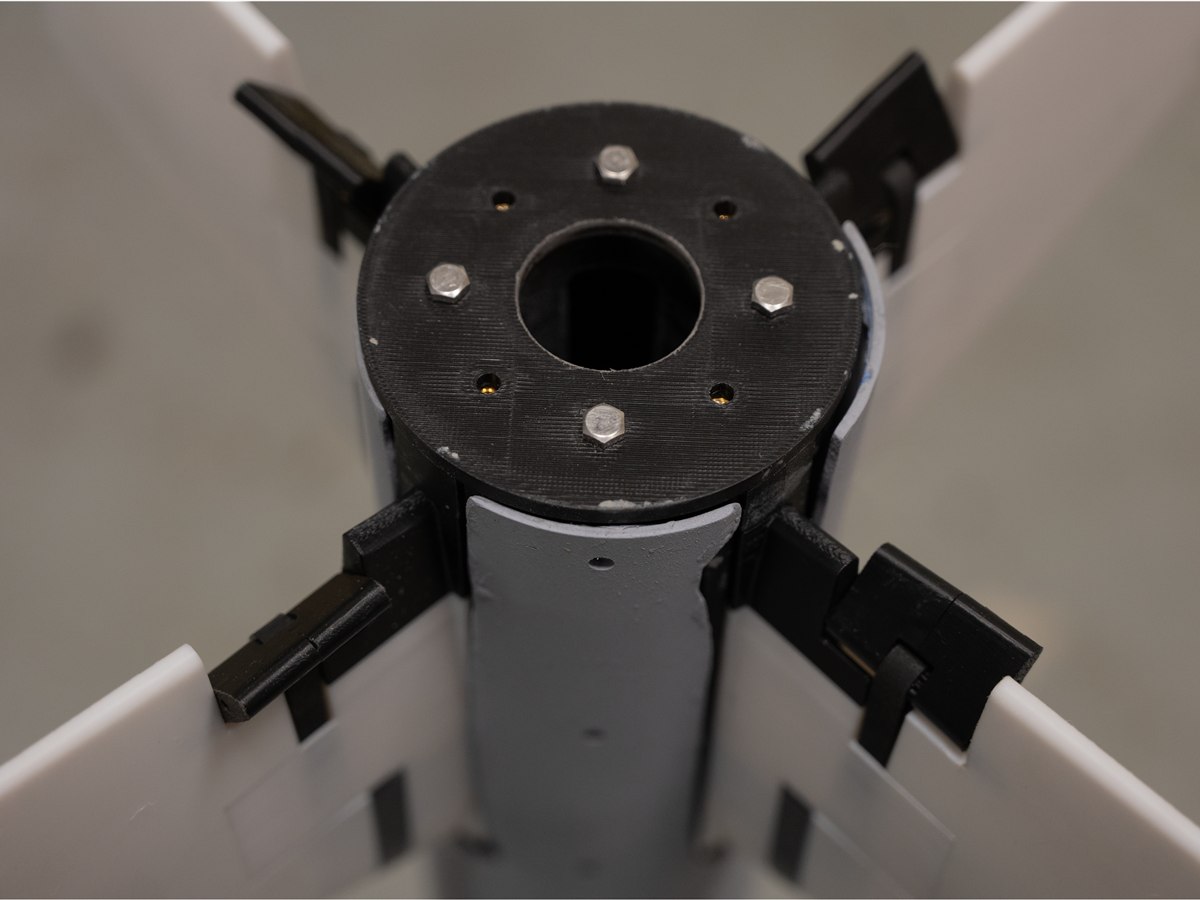
Designs and builds the physical mechanisms used to control the rocket during flight, such as fin tabs, actuators, linkages, and mounting systems. The role focuses on creating reliable mechanisms that can withstand aerodynamic forces and flight conditions. The fin-tab system first flew on Moonfall, our subsonic test vehicle.
Testing
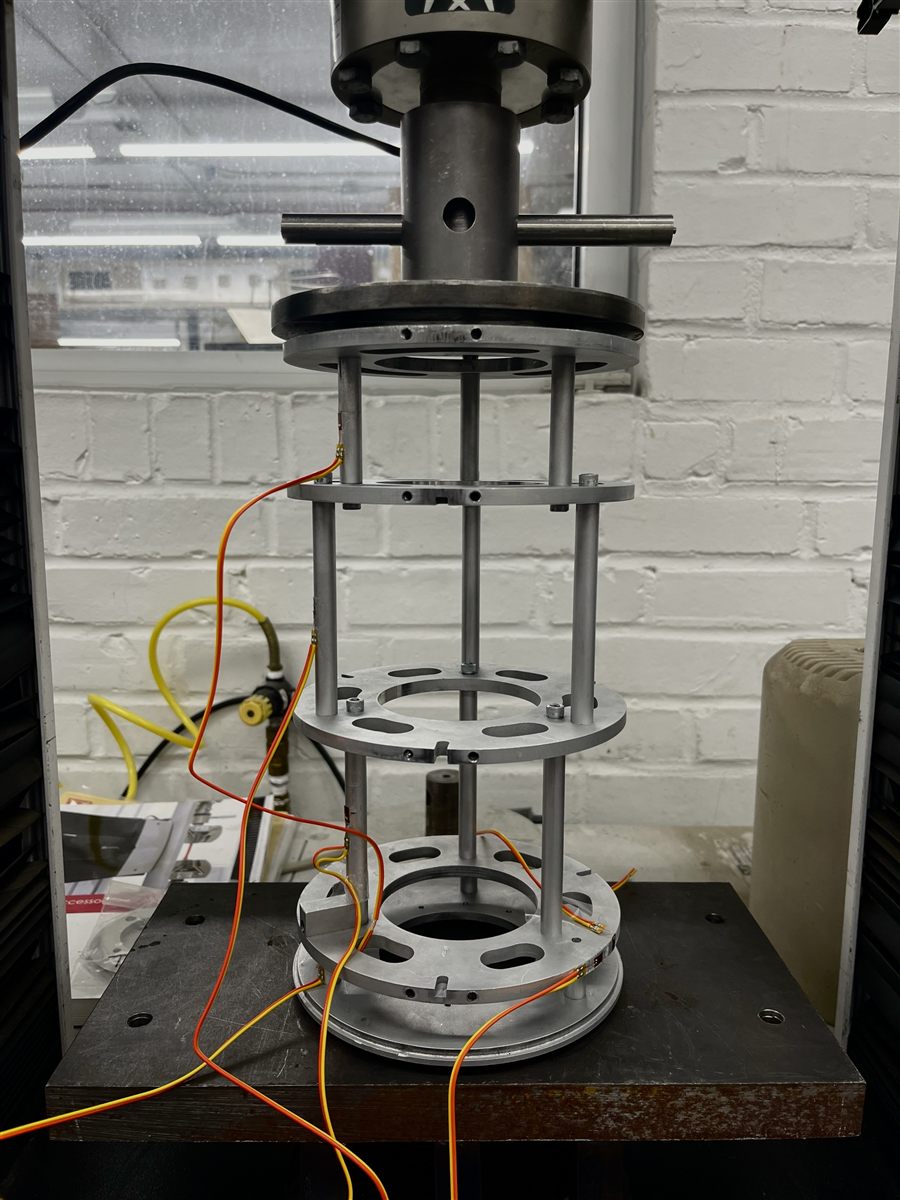
Develops and executes a rigorous testing program to qualify all vehicle and payload systems, identify failure modes, and provide meaningful data to guide design decisions. The team focuses on developing effective test methods, operating instrumentation and data acquisition systems, analyzing results, and pushing systems toward their limits through integrated ground and flight testing.